

Press
August 2026
Nolan’s Odyssey Reignites Interest in Troy as New Excavations Begin
Christopher Nolan’s blockbuster adaptation of The Odyssey is captivating cinema audiences worldwide, bringing Homer’s epic to the big screen on an extraordinary cinematic scale. The film’s depiction of Odysseus’s legendary journey has renewed global interest in the ancient places, characters and conflicts that inspired the story.
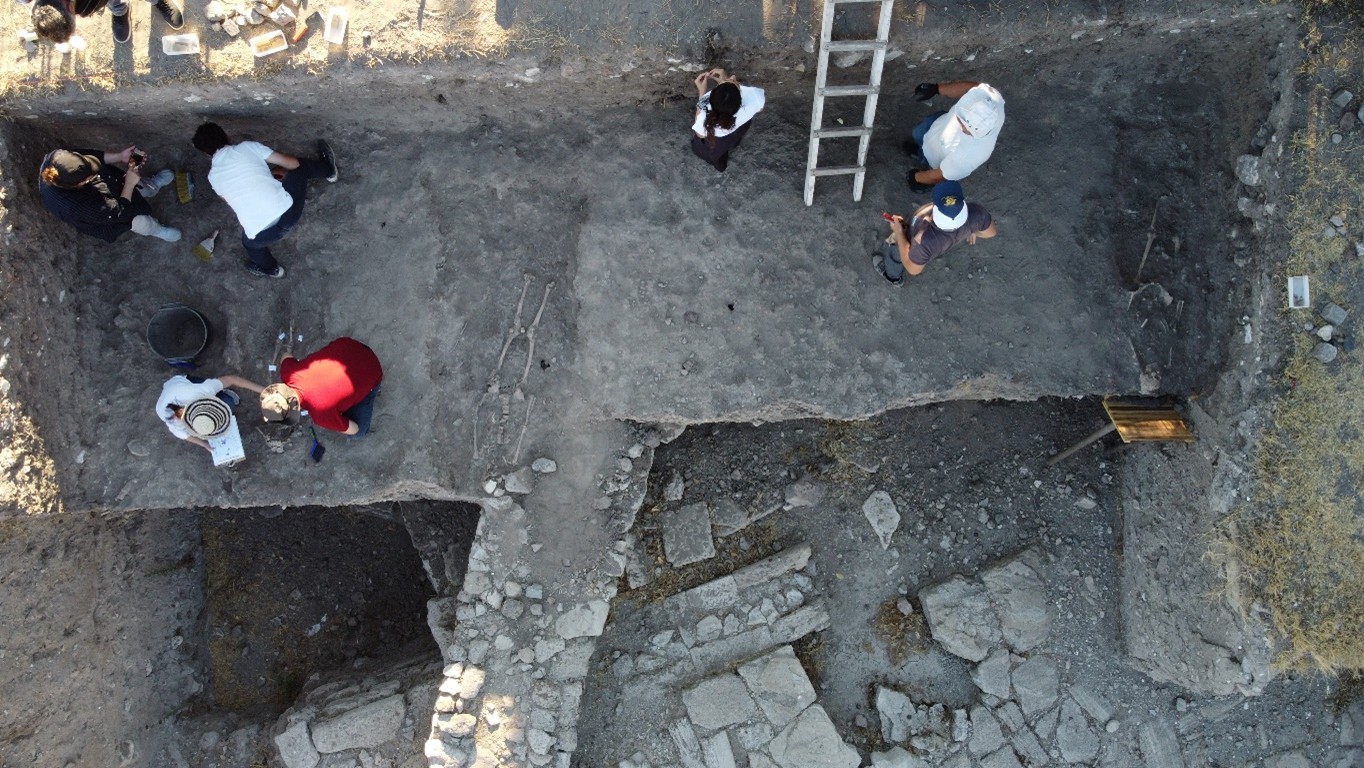
Now, attention is turning to Troy, located in Çanakkale, on Türkiye’s North Aegean coast, where the 2026 excavation season is uncovering new insights into the city immortalised in The Iliad and The Odyssey. Led by Türkiye’s Ministry of Culture and Tourism, the archaeological work is exploring the city’s everyday life, Bronze Age palaces and possible links to the legendary Trojan War.
While The Odyssey brings Homer’s world to a new generation of cinema-goers, visitors to Troy can explore the real landscape behind the mythology. A city with more than 5,000 years of history preserved across ten distinct archaeological layers.
Explore Türkiye’s Best Diving Experiences
Summer holidays are no longer just about relaxing by the sea, with travellers increasingly seeking experiences offering exploration and adventure including under the waves - and latest Diving Tourism Market Analysis shows two-thirds of adventure travellers actively seek water-based experiences like scuba diving.
Surrounded by three crystal-clear seas at the crossroads of East and West, Türkiye is home to some of the Mediterranean and Aegean’s most rewarding dive sites, offering unforgettable underwater experiences for divers of all abilities.
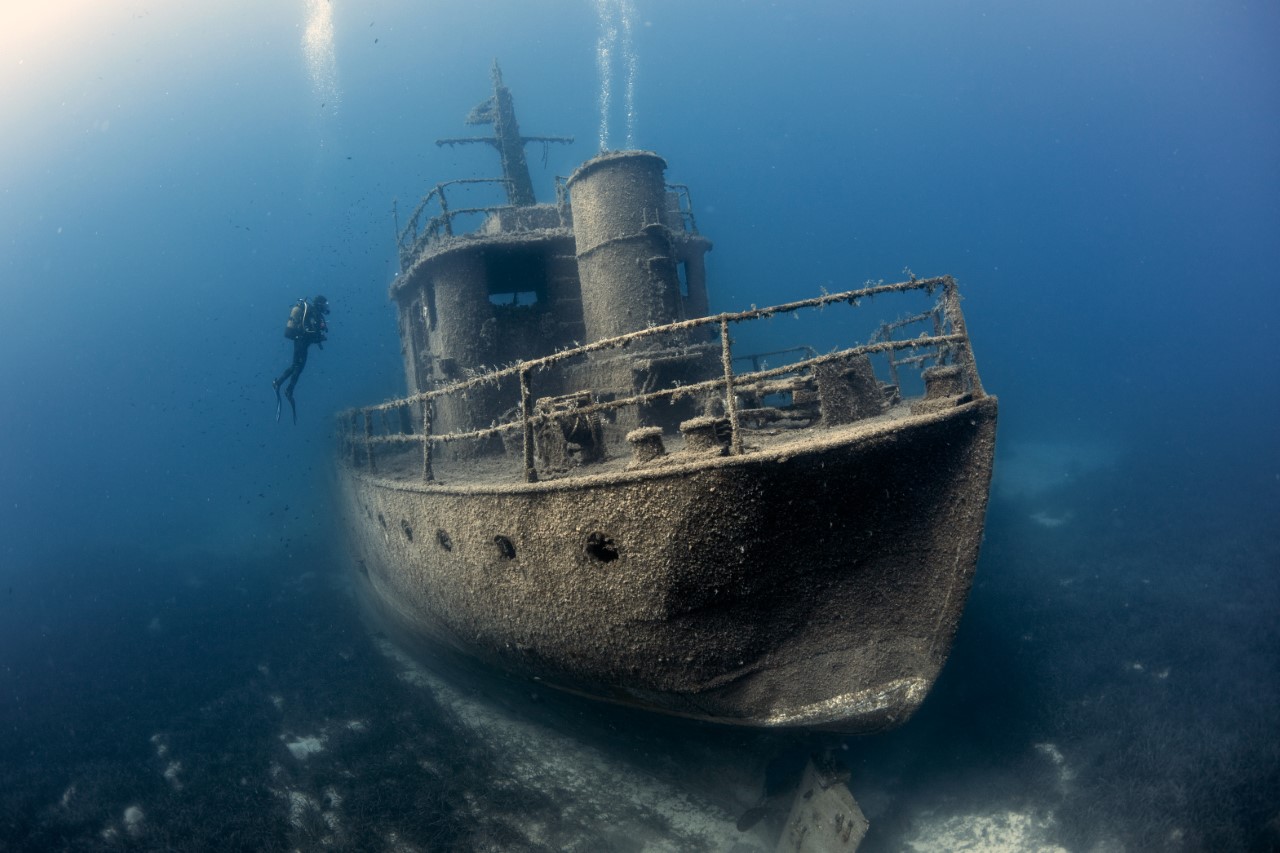
With its exceptionally long diving season, diverse destinations and fascinating underwater landscapes, Türkiye offers something for every adventurer. Divers can encounter vibrant marine life, explore historic shipwrecks, navigate mysterious caves and canyons, descend alongside dramatic walls and even experience the thrill of night diving.
The country’s underwater attractions are supported by an extensive network of professional diving centres, with courses led by experienced instructors.
Türkiye is in UNWTO’s list with its 3 villages
BIRGI LISTED AMONG THE 'BEST TOURISM VILLAGES’ OF 2022
With more than five thousand years of history and its classical Seljuk and Ottoman houses, Birgi has been listed among the ‘Best Tourism Villages of 2022’ by the United Nations World Tourism Organization (UNWTO). Birgi is Türkiye’s third village on the Best Tourism Villages list, following the inclusions of Sakarya’s Taraklı and Nevşehir’s Mustafapaşa in 2021.
The United Nations World Tourism Organization (UNWTO) has announced the Best Tourism Villages of 2022, a compilation of outstanding rural tourism destinations around the world. The 2022 list included 32 destinations in eighteen countries worldwide. The village of Birgi, in Ödemiş, İzmir, was added to this list, due to its commitment to innovation and sustainability as well as its architecture and intangible cultural values.
The Best Tourism Village designation covers rural destinations that embrace tourism as a driver of development and as an opportunity for new business and income, while preserving and promoting community-based values and products. The list also distinguishes destinations in terms of their focus on developing tourism in line with the UN’s Sustainable Development Goals.
Enchanting to local and foreign visitors
Set in the middle of the most fertile basins in Türkiye’s western Aegean region, Birgi features tree-shaded cobblestone streets, and traditional houses and structures dating to the 12th century.
The village is seven kilometres from the town of Ödemiş in the İzmir province. It attracts local and foreign tourists due to its proximity to Ephesus, a UNESCO World Heritage Site, as well as to Şirince, famous for its fruit wines, and holiday resorts such as Çeşme, Alaçatı and Seferihisar.
Picturesque Birgi has a storied history of settlement reaching back to 3000 BC. Ruled by the Phrygians, Lydians and Persians, Birgi was part of the Pergamon kingdom and the Roman and Byzantine Empires, respectively. The village was the capital of the Aydınoğulları Principality during the Anatolian Principalities Period. In 1426, Birgi came under Ottoman rule and continued to be an administrative and cultural centre until the 17th century.
Birgi – a village that resembles an open-air museum
Birgi contains numerous historical structures, including tombs, madrasahs and mosques, as well as fountains, baths and libraries, many of which date from the Anatolian Principalities and Ottoman periods. Housing more than 200 registered works, Birgi stands out as a riveting open-air museum.
The Ulu Mosque (Aydınoğlu Mehmet Bey Mosque), erected during the Anatolian Principalities period, is among the most magnificent examples of the era’s 18th-century civil architecture. The Çakırağa Mansion, the İmam Birgivi Tomb, the Sandıkoğlu Mansion, the Dervişağa Mosque and the Ümmü Sultan Şah Tomb are also notable structures in the village.
Birgi was declared ‘a protected area’ in 1996. In addition to being the first protected village, Birgi was included on the Tentative List of UNESCO World Heritage Sites in 2012. Furthermore, efforts are underway for Birgi to join Türkiye’s Cittaslow (Slow City) network.
Birgi is known for its lush nature and local cuisine as well as its historic past. Visitors to this charming village can also enjoy the opportunity to chat with village residents – in authentic cafes or in courtyards shaded by venerable plane trees – and learn about Birgi’s culture and history.
Don’t leave Birgi without tasting these
Its location and surrounding agricultural richness have shaped the local gastronomic values of Birgi. This primarily Aegean cuisine – a pioneer of healthy eating – is renowned for its emphasis on olive oils, vineyards, herbs and seafood.
Birgi’s special local dishes include the famous Aegean breakfast, which consists of entirely natural product. Other specialties are kestirme soup, made with local chickens; organic herbs roasted or made into salads; buttered keşkek (a wheat/barley and meat stew), çatal (lentil) soup, and stuffed zucchini flowers. Besmet, another dish, is prepared by drying in the old stone ovens in the village, while potato dishes made with Ödemiş potatoes, and snow halva, a mixture of black mulberry juice and the snow of Bozdağ, are also quite popular.